church events in Little Italy.
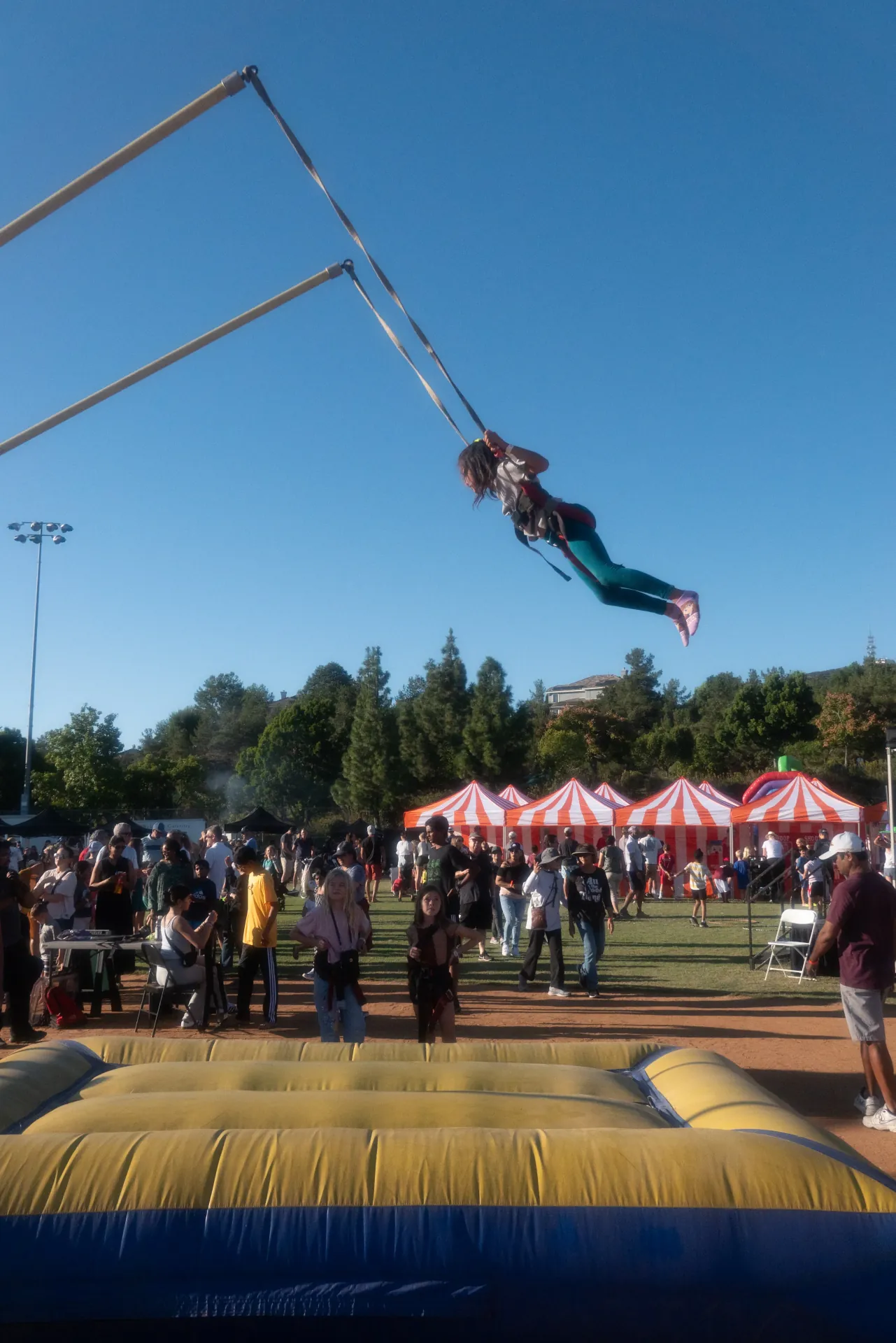
A church event in the carnival sense is a festival built around game booths, concession stands, and family activity stations, hosted by a parish or congregation to mark a feast day, run a fall or spring fundraiser, or celebrate an anniversary. Unlike a typical school carnival, the guest list spans every age — grandparents at the espresso and pastry table, kids at ring toss, teens running the cakewalk — and the layout has to fit whatever ground the church has: a parking lot, a hall courtyard, or a nearby public plaza when the congregation is bigger than the property. This is a local guide to church events in Little Italy — a neighborhood with a genuine parish-festival tradition — covering how these events are typically laid out, where they happen, and what a planning committee should expect.
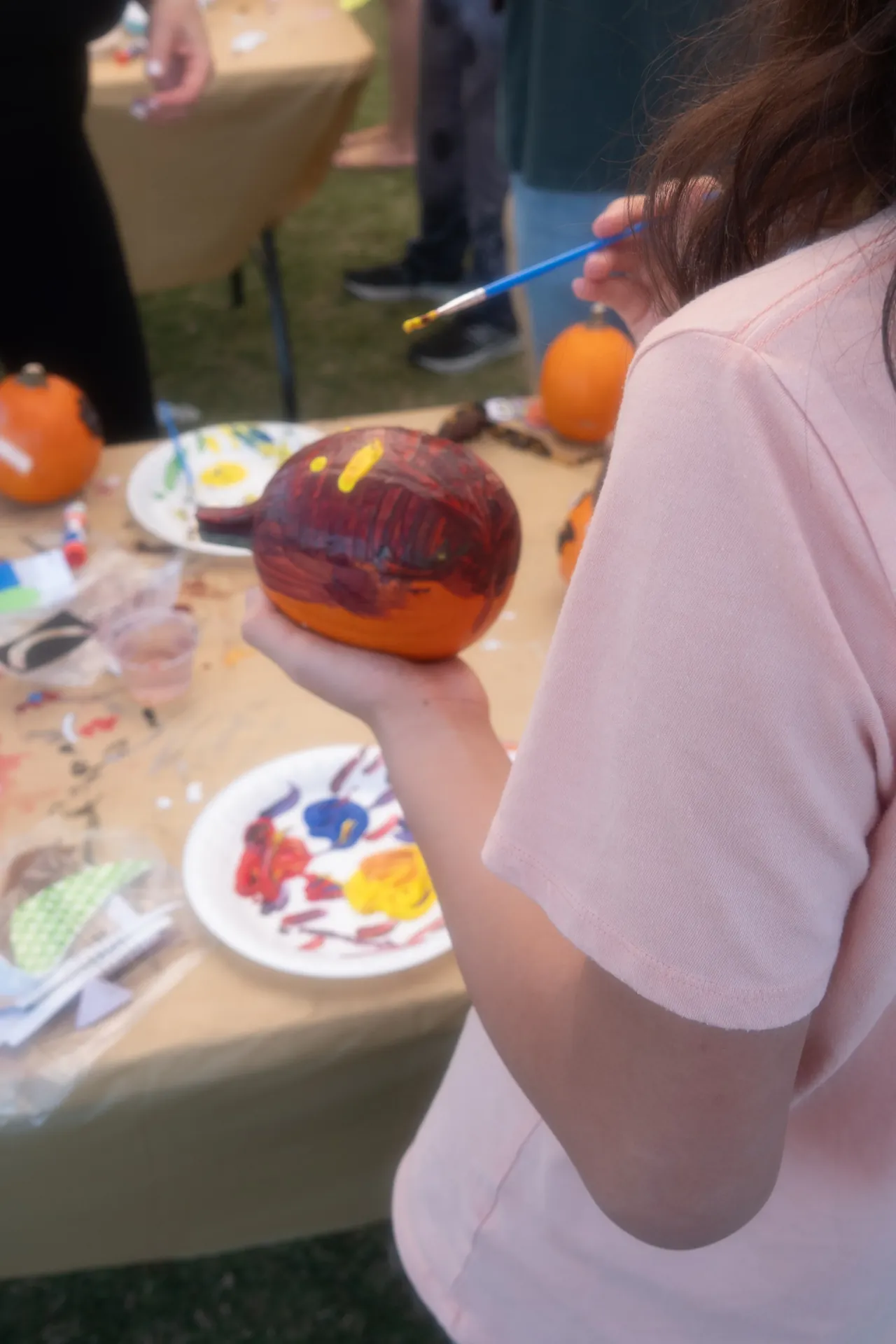
Little Italy's identity is bound up with its parish history — Our Lady of the Rosary Catholic Church on Date Street has anchored the neighborhood's Italian fishing-family roots for generations, and feast-day festivals are part of that tradition. When a church lot or hall courtyard isn't big enough for the crowd, committees look to the neighborhood's public gathering spaces: Piazza della Famiglia, Amici Park, and the larger lawns at Waterfront Park a few blocks west, all of which have hosted community festivals and require a city use permit rather than a church-property authorization.
My Little Carnival produces carnival-style church events across San Diego County, scaling the booth count and layout to whatever ground — parish lot, hall courtyard, or public plaza — a congregation is working with.
How a church event unfolds in Little Italy.
Setup usually happens on whatever flat ground the parish controls — a lot, a courtyard, or the strip of pavement behind the hall. Booths line the edges so a center aisle stays open for foot traffic between the sanctuary or hall entrance and the festival grounds. A feast-day event often pairs the carnival footprint with a food table run by parish volunteers, so the concession stands from the production team (popcorn, cotton candy, snow cones) sit alongside homemade dishes rather than replacing them.
Attendance skews wide — young kids at the games, older parishioners at seating near the food, teens drifting toward whatever has the longest line. Because the crowd isn't grade-sorted like a school event, booths tend to run for a longer stretch, often four to six hours across an afternoon into early evening, with games staying simple enough for a six-year-old and a grandparent to both play them.
What's typically included.
-
Carnival game booths.
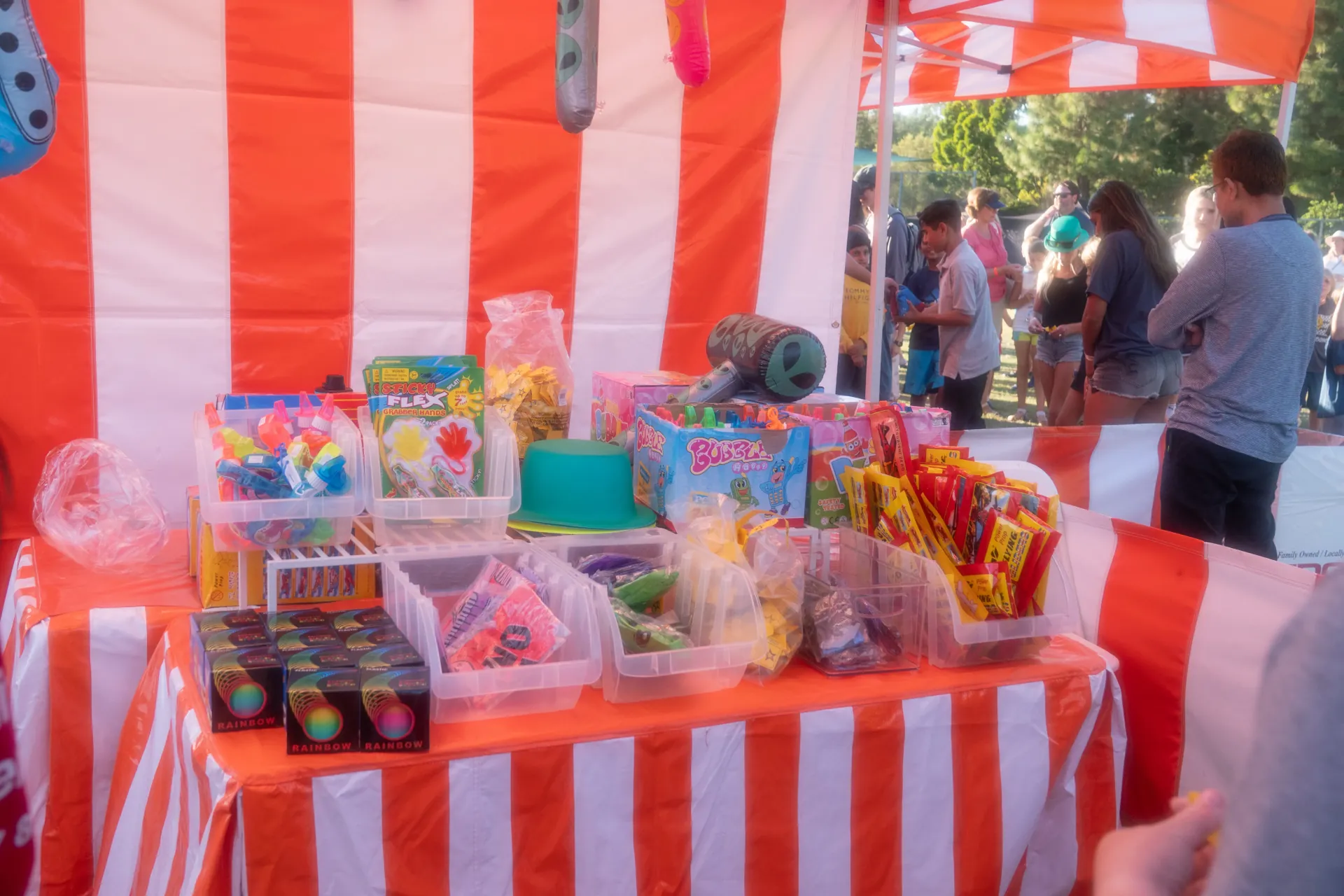
Four to ten striped booths depending on the event's scope — ring toss, bottle knockdown, plinko, balloon pop — sized for a parish lot, hall courtyard, or public plaza footprint.
-
Concession stations.
Popcorn, cotton candy, and snow cones, run alongside whatever homemade food table the parish is organizing, with supplies included for the full event window.
-
Prize inventory.
Consolation and top-tier prizes matched to booking size, screened on request for any theme or sensitivity the parish wants to keep — no candy, no toy weapons, and so on.
-
Trained attendants.
Staff who run each booth and machine so parish volunteers can focus on hospitality, ticket tables, or the food line instead of learning game mechanics on the fly.
-
Setup and breakdown.
Crew arrives ahead of the event, builds out the layout around whatever the church has already staged, and clears everything within about an hour of close.
-
Certificate of insurance.
My Little Carnival provides a COI naming the church or the applicable venue as additional insured, which most parish grounds and any public-park permit will require.
Typical timeline for church events in Little Italy.
- 1
8-10 weeks out
Committee picks the date around the feast day, fundraiser calendar, or anniversary, and confirms whether the event fits on church property or needs a public-venue permit.
- 2
4-5 weeks out
Booth count, concession lineup, and any theme are locked. If the event is moving to Piazza della Famiglia, Amici Park, or Waterfront Park, the city permit application should already be in progress by this point.
- 3
Week of
Final headcount estimate, layout walk-through with the parish or event coordinator, and confirmation of power access and any parking notes for the crew.
- 4
Event day
Crew builds the carnival footprint around the parish's own food and hospitality tables, runs the event for the contracted window, and packs out same-day.
Specifics for Little Italy.
- Church-property setup: Most feast-day festivals and fundraisers stay on parish ground — a lot or hall courtyard — where the church's own facilities agreement governs vendor insurance, not a separate city permit.
- Public-venue alternative: When the congregation outgrows the property, Piazza della Famiglia and Amici Park have hosted neighborhood festivals and both require a City of San Diego use permit and a vendor COI submitted well ahead of the date.
- Waterfront Park option: For larger gatherings, Waterfront Park's lawns offer more room than a typical parish lot, but scheduling runs through the Port of San Diego and needs to be locked further in advance than a church-grounds event.
- Power access: Concession machines pull a dedicated circuit each. Church halls with kitchen access usually have enough outdoor outlets; a generator comes along when the property doesn't.
- Downtown parking and noise: Little Italy's street parking fills fast on festival weekends, and the neighborhood's downtown proximity means amplified music or PA announcements should stay mindful of the city's general noise ordinance hours.
- Weather planning: Southern California's typically dry climate keeps outdoor church events low-risk most of the year, though a rain contingency is worth discussing for winter dates given the neighborhood's exposed, largely paved gathering spaces.
Common questions.
Do we need a permit if the event stays on church property?
Usually not a city permit — the church's own facility-use agreement typically covers it, though the parish will still want a vendor certificate of insurance on file, which My Little Carnival provides.
What if our feast-day crowd is bigger than the parish lot?
Piazza della Famiglia and Amici Park have both hosted neighborhood festivals and can absorb a larger footprint, but both require a City of San Diego use permit applied for well ahead of the date, not the week before.
Can the carnival booths sit alongside our own food tables?
Yes — that's the normal setup. Parish-run food tables and homemade dishes stay separate from the concession stations (popcorn, cotton candy, snow cones), which handle the carnival side of the menu.
How many booths does a mid-sized parish festival need?
For a few hundred parishioners across an afternoon, four to six booths plus one or two concession stands is typical. Larger feast-day festivals with a few thousand attendees over several hours run closer to eight to ten.
Can games and prizes be adjusted to fit the occasion?
Yes. Parishes often ask for gentler, non-competitive games for younger kids and elderly attendees, and prize inventory can be screened to skip anything the committee doesn't want circulating at a church event.
How far ahead should a committee book?
Eight to ten weeks out is comfortable, especially for dates tied to a fixed feast day or anniversary. Public-venue bookings at Piazza della Famiglia, Amici Park, or Waterfront Park should start even earlier because of permit lead times.
About this guide.
This local guide to church events in Little Italy was compiled by My Little Carnival, a division of My Little Carnival — producers of parish festivals, school carnivals, and family events across San Diego County.
Helpful local references: Our Lady of the Rosary Catholic Church · City of San Diego Parks and Recreation
Church Events in nearby cities.
Planning a church event in Little Italy?
Share the date, expected attendance, and whether the event stays on church property or moves to a public venue — My Little Carnival will scope a quote sized for the space.
Get a quote →