grand openings in Normal Heights.
A grand opening is the launch-day event a business runs when a new location, storefront, or brand pop-up first opens to the public, built to convert people who happen to be walking past into people who come inside. The carnival version of it adds a visible attraction to the sidewalk or the lot: game booths sized to the frontage, prize ribbons and signage printed in your colors, concessions running through the whole window, and a photo backdrop guests actually want to stand in front of. Every booth is designed as a photo opportunity and every prize is brand-able, so the launch keeps working after the crowd leaves and the pictures start posting. This guide covers what that looks like in Normal Heights specifically: how the Adams Avenue frontages shape the footprint, which approvals apply on private lots versus public right-of-way, and what to settle before the opening date is announced.
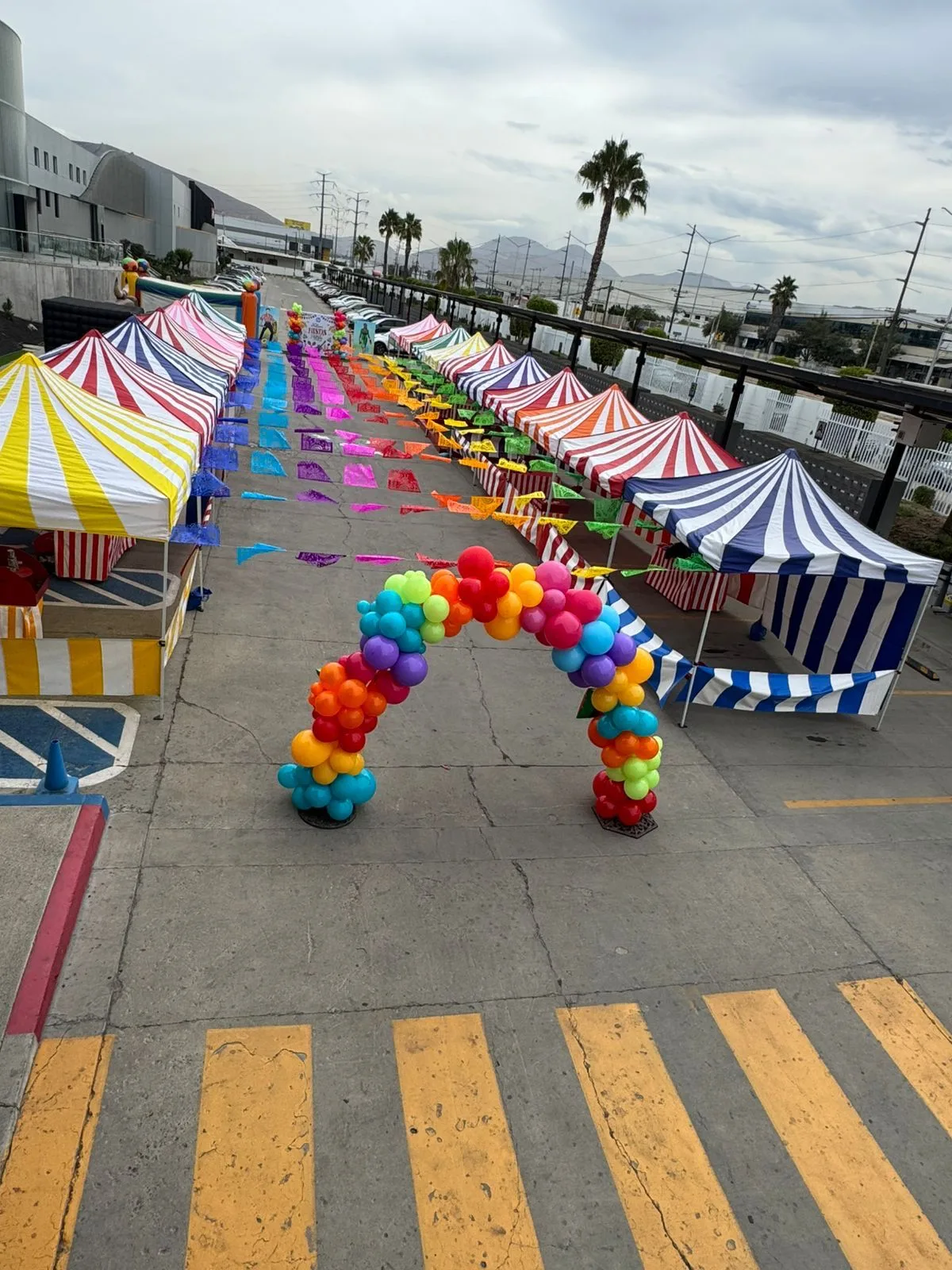
Normal Heights runs along Adams Avenue as its commercial spine, with El Cajon Boulevard on the south edge, Interstate 15 to the west, and canyon edges separating it from Kensington and Talmadge. Storefronts here sit on a tight grid of early-1900s buildings with narrow frontage and angled street parking, which usually means a launch activation gets scoped to a compact footprint rather than a sprawling lot. The trade is that foot traffic is already there, including families walking over from San Diego Unified School District campuses in the surrounding blocks. When a brand wants more ground than the frontage allows, Ward Canyon Neighborhood Park sits at the north end of the neighborhood, and Adams Recreation Center, the Normal Heights Community Center, and Kensington Park give reservable alternatives a short drive away.
My Little Carnival produces grand openings, ribbon-cuttings, and brand activations across San Diego County, sizing the carnival to the frontage a business actually has instead of the parking lot it wishes it had.
What an opening-day activation looks like in Normal Heights.
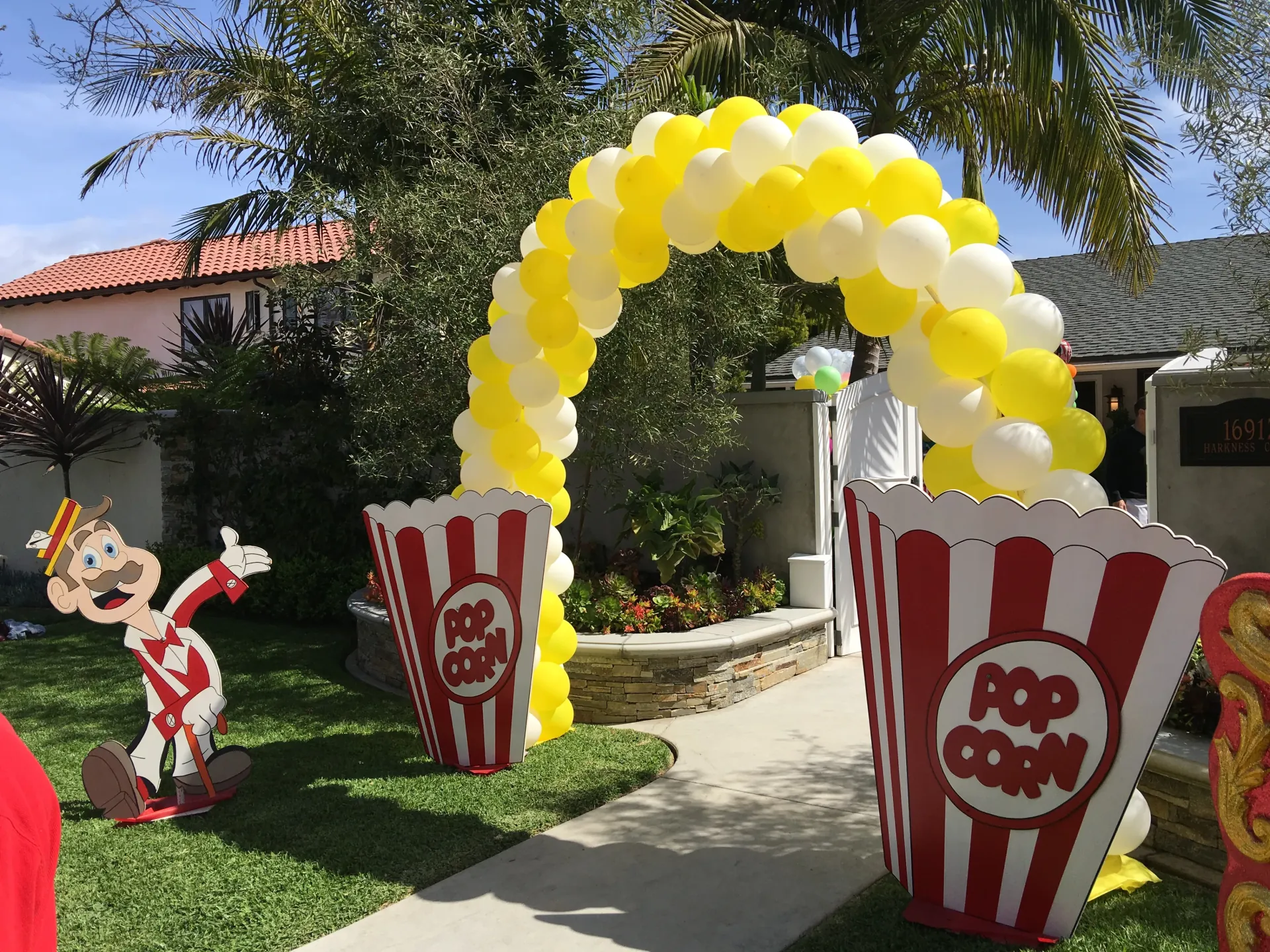
Planning starts with the footprint, because that decides everything else. A restaurant with a patio and two parking spaces gets a different build than a shop with a shared strip-mall apron behind it. The common shape on Adams Avenue is a two to four booth run set parallel to the building, a balloon arch marking the door so the entrance reads as the entrance, concessions positioned where the smell carries down the sidewalk, and a photo backdrop angled so the storefront sign lands in the frame behind guests.
Load-in happens before the block gets busy, generally a couple of hours ahead of the announced start. Booths go up first, then signage and prize ribbons in the brand colors, then the concession machines, which need the most time to come up to temperature. Attendants run every station during the window so the owner and staff are free to do the part nobody else can do: greet people, hand out the first orders, and talk to whoever shows up from the neighborhood association or the press.
The window itself usually runs three hours. Guests play a game, take a photo, collect a branded prize, and end up inside. Breakdown is same-day and quick, because a launch that leaves a mess on Adams Avenue is not the impression anyone wants to leave with the neighbors.
What's typically included.
-
Booths built for photo capture.
Striped booths positioned so the busiest sightline into the activation is also the most photogenic one. Count scales with frontage, from a two-booth sidewalk run up to a full lot layout for a multi-tenant center.
-
Brand-customizable signage.
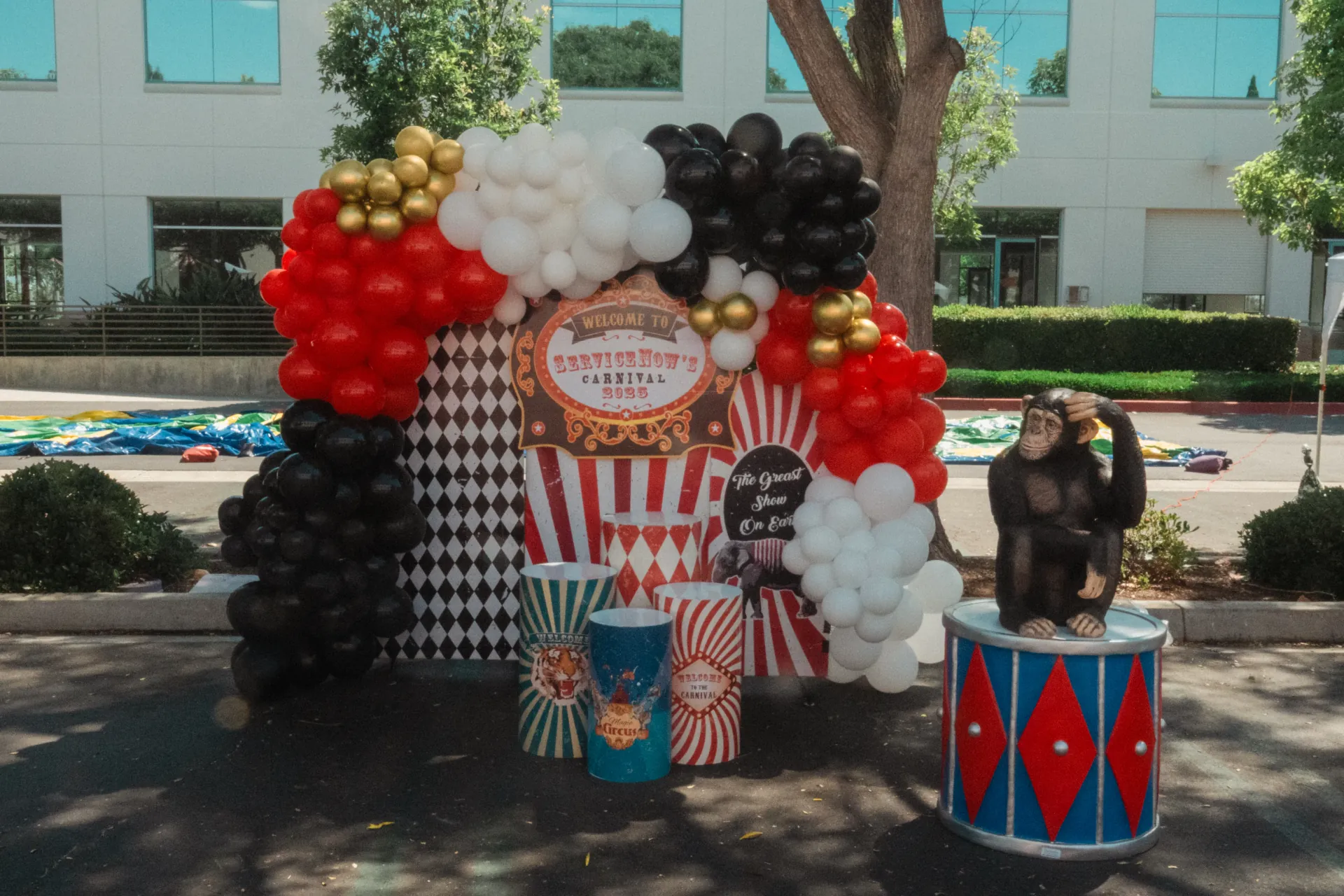
Header signs, banners, and entrance marquee copy printed to your launch messaging rather than generic carnival wording, so the pictures guests post carry the business name instead of a stock backdrop.
-
Branded prize ribbons.
Prize ribbons and giveaway inventory customized to your colors and logo. Coupon cards, sample product, or co-branded items can be folded into the prize mix when the quantities are confirmed ahead of the date.
-
Concessions in your colors.
Popcorn, cotton candy, and snow cone service for the full window, with bags, cones, and supplies included. Serving containers are frequently branded so a guest holding a snack is also holding your name.
-
Photo backdrop and props.
A dedicated backdrop with balloon work and prop staging, positioned to keep your storefront or logo wall in frame. Gala-tier decor is available when the launch needs a higher finish than a standard setup.
-
Professional attendants and COI.
Staffing for every booth and concession station across the event window, plus a Certificate of Insurance naming the property owner, landlord, or management company as additional insured for the vendor file.
Typical timeline for grand openings in Normal Heights.
- 1
6 to 8 weeks out
Opening date is penciled and the activation is scoped against the actual frontage. If any part of the setup touches public sidewalk or a traffic lane on Adams Avenue, City of San Diego special event approval gets started at this point, since that path is slower than a private-property booking.
- 2
3 to 4 weeks out
Scope locks and a deposit holds the date. Artwork for signage, prize ribbons, and branded concession packaging goes to print. The COI is issued to the landlord or property manager, and the launch date goes out on social, email, and any local press outreach.
- 3
Week of
A layout walk confirms booth positions, entrance flow, backdrop angle, and where power comes from. If the available outlets cannot carry the concession load, a generator is added to the equipment list now rather than discovered on the morning of.
- 4
Opening day
Crew loads in ahead of the announced start, machines come up to temperature, and stations are posted before the first guests arrive. The activation runs its full window, then breaks down same-day with the frontage left clear.
Specifics for Normal Heights.
- Adams Avenue frontage: Commercial buildings here are older and narrow, and outdoor dining or existing patio use often already claims part of the sidewalk. A two-booth run with one concession station fits most frontages comfortably. Anything larger usually needs the rear lot, a shared strip-mall apron, or a permitted extension into the parking lane.
- Private property versus public right-of-way: An activation held entirely on your own lot or patio generally routes through the landlord or property-management office, which wants a vendor COI and a short layout plan. The moment the setup occupies sidewalk, parkway, or street, it becomes a City of San Diego special event matter with a longer lead time and its own paperwork.
- Power and generators: Each concession machine wants its own dedicated circuit, and older Adams Avenue buildings rarely have more than one usable exterior outlet. Once a launch runs past a single machine, My Little Carnival plans on bringing a generator rather than gambling on the storefront's existing draw.
- Parking and load-in windows: Street parking along Adams Avenue and the residential blocks behind it fills up through weekend afternoons. Early load-in protects the equipment route, and businesses expecting a large turnout often point guests toward a nearby lot in the announcement rather than letting them circle the block.
- Larger footprints nearby: A brand activation that needs real open ground can move to Ward Canyon Neighborhood Park or Kensington Park, or take a reservable room and patio at Adams Recreation Center or the Normal Heights Community Center. Each of those routes through a City of San Diego Parks and Recreation facility-use permit, which typically expects a vendor COI once booths, concessions, or a generator are in the plan.
- Weather planning: San Diego's mild pattern keeps most launch dates low-risk, so outdoor activations here rarely need an indoor backup. Shade over the concession station still matters for a summer midday window, and a rain clause is worth writing into a booking between late fall and early spring.
Common questions.
Do we need a city permit to run this in front of our Normal Heights storefront?
It depends on where the equipment physically sits. If everything stays on private property, your own patio, lot, or a shared apron, approval usually comes from the landlord or property manager along with a vendor COI. If any part of the activation occupies public sidewalk or the parking lane on Adams Avenue, that becomes a City of San Diego special event request, so build extra weeks into the timeline before announcing the date.
How small can the footprint be and still work?
Two booths, one concession machine, and a balloon arch over the door fit a typical Adams Avenue frontage and still read clearly from across the street. That size is enough to stop foot traffic. What it will not do is hold a large crowd in place, so businesses expecting a heavy turnout usually move the layout to a rear lot or add a permitted extension.
Can our logo and colors go on the setup?
Yes, and for a launch it is the point. Signage copy, prize ribbons, and concession packaging are the usual branded pieces, with the photo backdrop staged to keep your storefront or logo in the shot. Confirm artwork and quantities about three weeks out so everything is printed and staged correctly before opening day.
What does a grand opening activation typically cost?
Most run between $5,000 and $15,000, driven by the size of the activation, how deep the branded decor goes, and how many hours the window covers. Multi-day launches and multi-location rollouts get quoted individually since staffing and equipment move between sites.
Is this different from a brand-activation pop-up?
The production is nearly identical. A grand opening is anchored to a specific address opening for business, while a pop-up activation is anchored to a campaign and can be staged anywhere with room and permission. Both use the same booths, branded prize inventory, concessions, and photo backdrop.
How much of opening day does our own staff have to run?
None of the carnival side. Attendants operate the booths, the prize table, and the concession machines for the full window, which leaves your team on the floor handling customers and the ribbon-cutting itself. Press outreach, catering beyond the concession lineup, and any live entertainment run as separate tracks.
About this guide.
This local guide to grand openings in Normal Heights was compiled by My Little Carnival, a division of My Little Carnival, producers of store launches, brand activations, corporate events, and community carnivals across San Diego County.
Helpful local references: City of San Diego Special Events · San Diego Unified School District
Grand Openings in nearby cities.
Opening a new spot in Normal Heights?
Send the opening date, the address, and how much room you have out front, and My Little Carnival will scope an activation that fits the frontage and gets people through the door.
Get a quote →