carnival games in College Area.
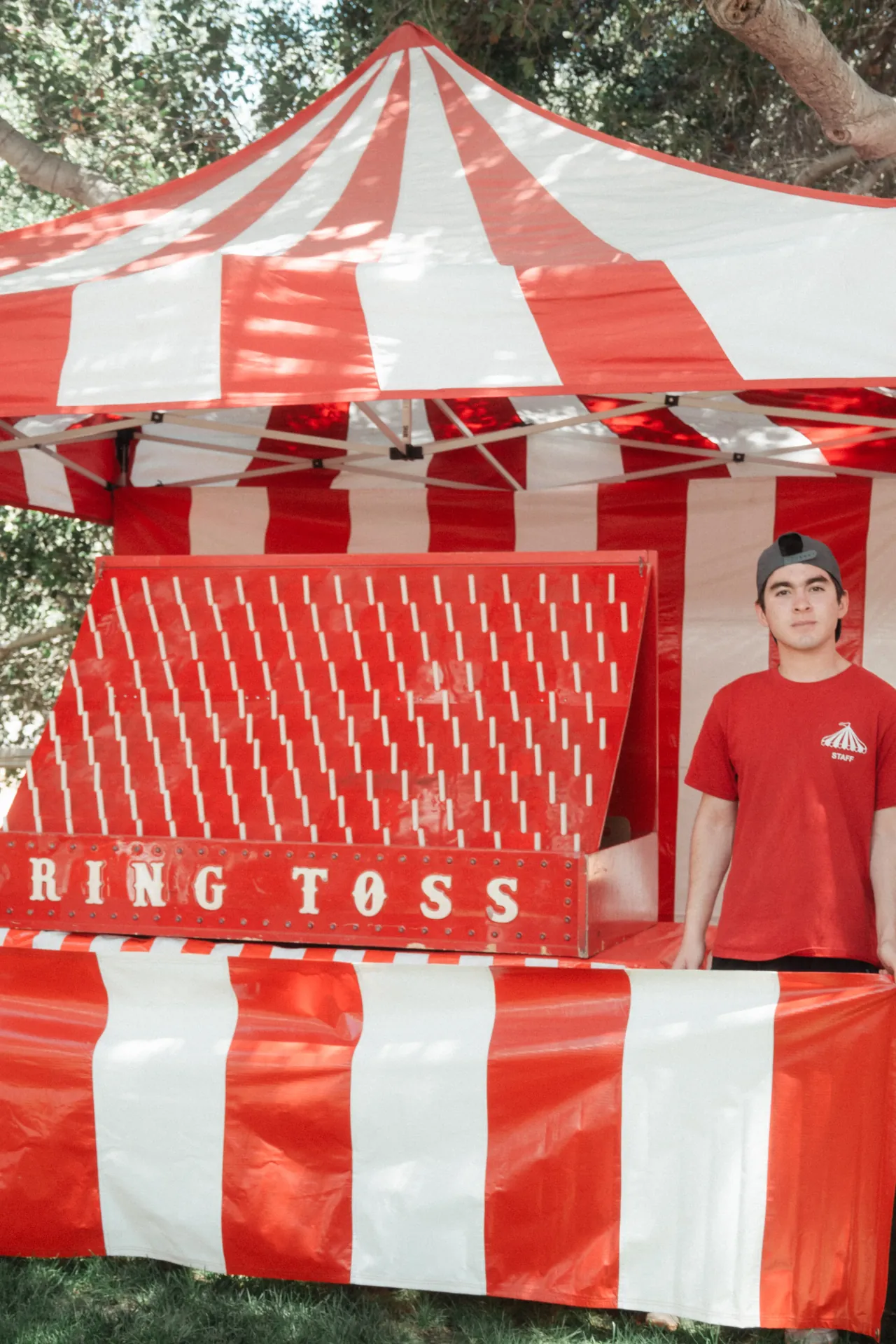
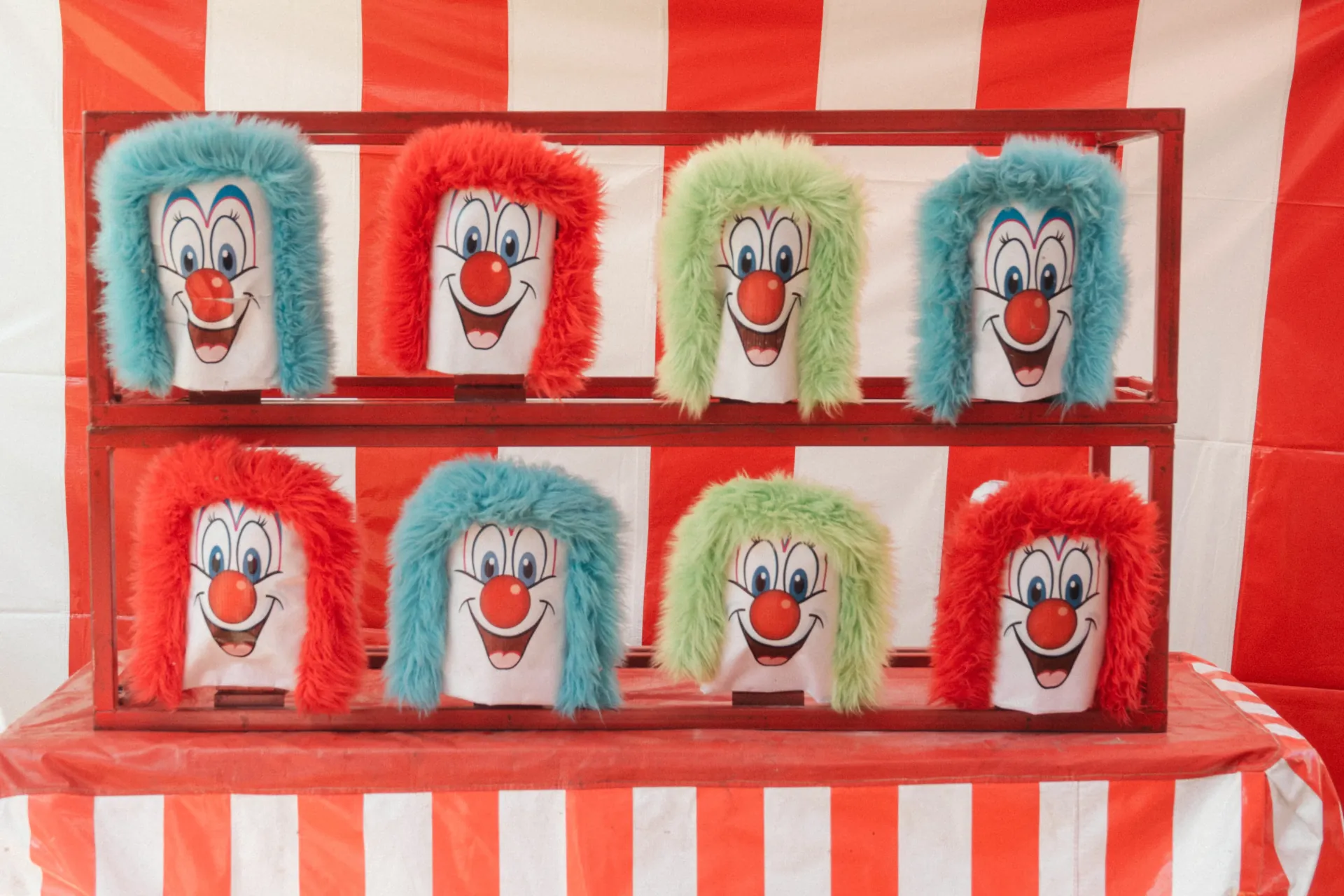
A carnival game is a single freestanding booth — ring toss, bottle ring, dart-the-stars, plinko, balloon pop, milk-can toss, basketball pop, or a duck-fishing pond — built around a simple skill-or-chance mechanic and stocked with its own prize rack. Each one is self-contained: its own frame, its own playing surface, its own signage. As part of a complete event, My Little Carnival brings a lineup of these booths — usually six to twelve, depending on guest count — alongside concessions, inflatables, or a ride or two, matched to whatever the occasion calls for. This is a local guide to carnival games in College Area — what a typical lineup looks like, how booths get staffed, and what schools, fundraisers, and families near Montezuma Neighborhood Park and Colina del Sol Park should plan around.
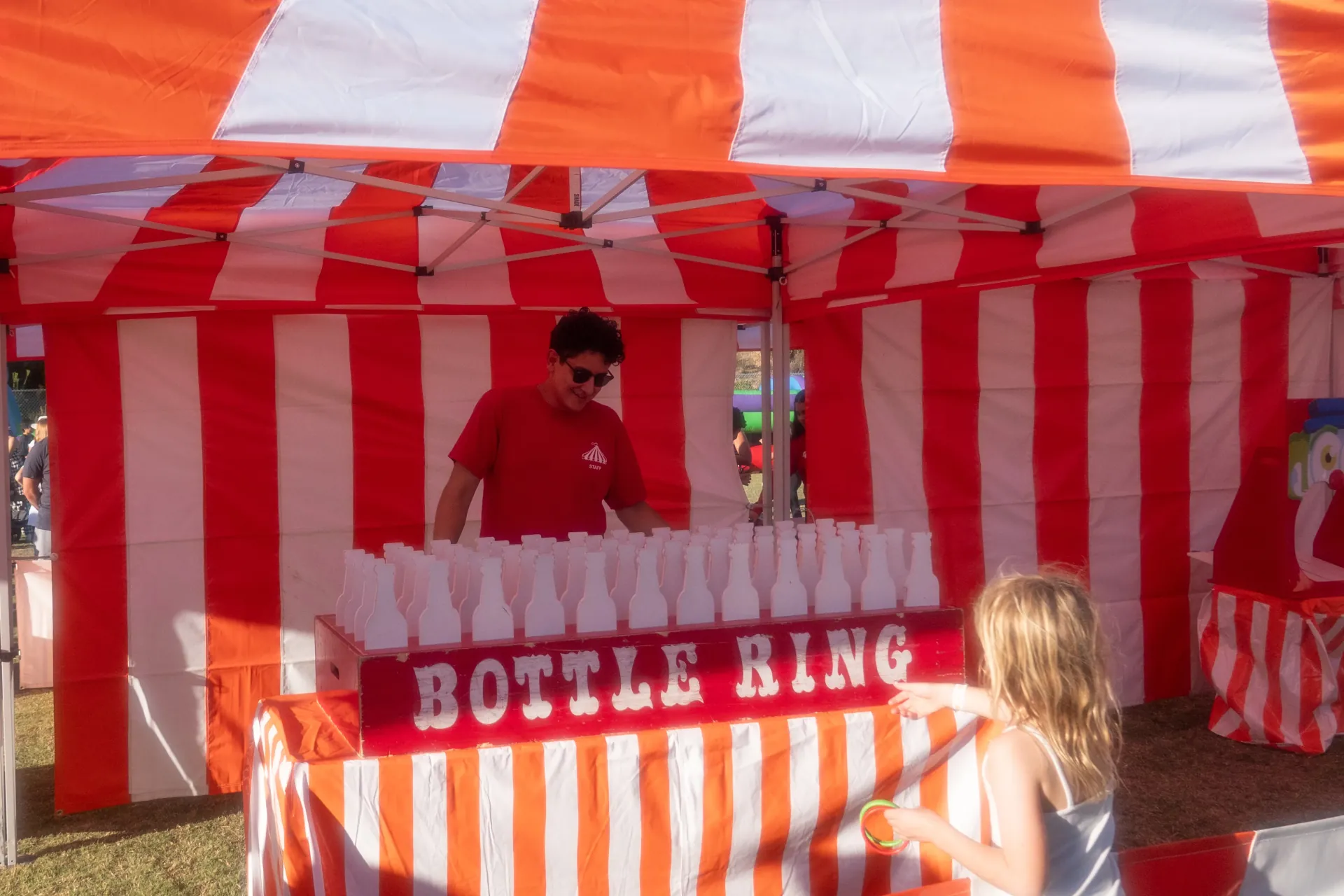
College Area sits in the shadow of San Diego State University, and its event footprint reflects that mix — campus-adjacent student organizations, family gatherings in the surrounding neighborhoods, and school fundraisers through San Diego Unified. Game booths turn up most often at two kinds of venues: neighborhood parks like Montezuma Neighborhood Park and Colina del Sol Park for community and family events, and school blacktops or multipurpose fields for PTA carnivals and fall fests.
My Little Carnival produces full carnival events across San Diego County, and College Area bookings typically pull six to twelve game booths as the backbone of the layout.
How carnival games show up at an event in College Area.
Booths get arranged in a line or a loose horseshoe so guests can wander from game to game — ring toss and bottle ring near the entrance where the mechanics are easy to read at a glance, dart-the-stars and basketball pop further in for guests who want more of a challenge, plinko and the duck pond often anchoring a corner where younger kids cluster. Each booth ships with its own prize inventory sized to the game's difficulty, so a five-minute glance from an organizer during setup is usually enough to confirm everything is stocked and ready.
For a school carnival or fundraiser near San Diego State, the games are typically the main event — the thing that turns a fenced blacktop or park lawn into a carnival for a few hours. For a birthday or company picnic, they're one piece among several, sharing space with a bounce house or a concession table. Either way, My Little Carnival sets the booths as part of a full event build rather than dropping off a single unit — delivery, layout, and breakdown are handled by the crew that installs the rest of the event.
What's typically included.
-
Booth selection.
Choose from the standard lineup — ring toss, bottle ring, dart-the-stars, plinko, balloon pop, milk-can toss, basketball pop, duck-fishing pond — sized to the guest count and age range for the event.
-
Prizes included.
Every booth arrives pre-stocked with consolation and top-tier prizes matched to the game's difficulty and the booking size, ready to hand out from the first play.
-
Attendant, optional.
Attendants are available as an add-on, quoted per booth, or the booths can be volunteer-staffed by parents, staff, or committee members — common for PTA fundraisers with an established volunteer roster.
-
Setup and breakdown.
Crew delivers, assembles, and positions each booth as part of the event build, then packs everything out afterward. No lifting or setup falls to the host.
-
Signage and displays.
Each booth includes its own header signage and prize display so guests can see the game and the payoff before they walk up.
-
Power planning.
Most booths run without power. Where lighting or an electric component is involved, extension cords or a generator are brought as needed based on the site's outlet access.
Typical timeline for carnival games in College Area.
- 1
Inquiry and quote
Share the date, guest count, and venue — a park, a school blacktop, or a backyard — and get a scoped quote covering booth count, prize tier, and whether attendants are wanted.
- 2
3-4 weeks out
Booth lineup and prize tier get locked in. If the event includes other attractions — inflatables, concessions, a ride — those get finalized in the same conversation.
- 3
Event day, setup
Crew arrives ahead of the start time, positions each booth as part of the full layout, stocks prizes, and confirms attendant assignments or volunteer handoff.
- 4
Event window and breakdown
Games run for the contracted window, whether staffed by an My Little Carnival attendant or volunteers, and the crew packs everything out after the event ends.
Specifics for College Area.
- Common venues: Montezuma Neighborhood Park and Colina del Sol Park both host community-scale carnival setups; San Diego Unified campuses in the area are the more frequent site for school fundraisers and fall fests.
- Surface: Booths sit comfortably on blacktop, grass, or pavers without stakes, which makes park lawns and school playgrounds equally workable. Uneven or sloped ground is worth flagging during the quote.
- Permits: Events at Montezuma Neighborhood Park or Colina del Sol Park generally require a City of San Diego park-use reservation; school campuses go through the site's facility-use process with San Diego Unified.
- Attendant vs. Volunteer: PTA carnivals and fundraisers often lean on parent volunteers for games while paying for attendants only on food or higher-touch booths. Corporate and community events more often add attendants across the board.
- Booth count guidance: A rough rule is one booth per 40-50 guests for steady play without long lines. A campus-wide fall fest usually lands in the 8-12 booth range; a smaller neighborhood gathering runs comfortably on 4-6.
- Weather: Southern California's typically dry climate keeps outdoor game booths low-risk most of the year. Booths pack away quickly if a rare rain day forces an early wrap.
Common questions.
Are attendants included with the game booths?
Not by default. Attendants are available as an add-on, quoted per booth, or the booths can be run by volunteers — a common setup for school and PTA events with an established parent roster.
What surface do the booths need?
Blacktop, grass, or pavers all work without special anchoring. Sloped or heavily uneven ground is the main thing to mention when requesting a quote.
How many games do we need for our event?
A loose guide is one booth per 40-50 guests. School fall fests and larger fundraisers typically book 8-12 booths; smaller gatherings run fine on 4-6.
Do the games need power?
Most booths run without electricity. When a game or lighting element needs power, an extension cord or generator is arranged based on the site's outlet access.
Are the prizes included in the price?
Yes — each booth ships pre-stocked with prizes matched to the game's difficulty. Prize sensitivity requests (no candy, no toy weapons) are easy to accommodate when flagged during the quote.
What happens if it rains?
Southern California's typically dry climate makes outdoor bookings low-risk most of the year. Booths break down quickly, so an early wrap on a rare rain day is straightforward.
About this guide.
This local guide to carnival games in College Area was compiled by My Little Carnival, the San Diego County operation of My Little Carnival — producers of school carnivals, fundraisers, and community events across the region.
Helpful local references: San Diego Unified School District · City of San Diego Parks & Recreation
Carnival Games in nearby cities.
Planning an event with carnival games in College Area?
Share your date, venue, and rough guest count — and My Little Carnival will scope a booth lineup and quote sized for your event.
Get a quote →